Easy Homemade Bread Recipe – Simple & Delicious
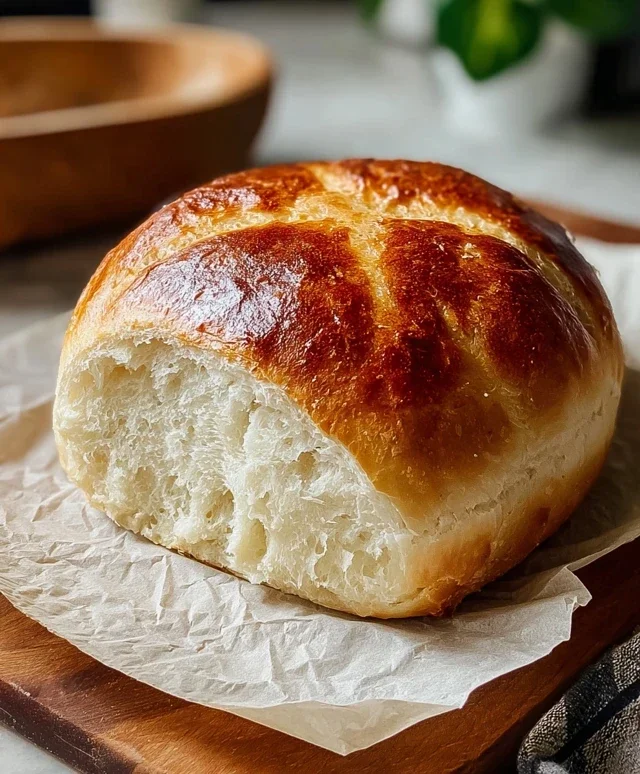
Easy Homemade Bread is more than just a recipe; it’s an invitation to a simpler, more rewarding way of life. There’s an undeniable magic in transforming basic pantry staples – flour, water, yeast, and salt – into a warm, crusty loaf that fills your kitchen with an aroma like no other. People adore homemade bread because it’s a tangible achievement, a source of comfort, and a delicious centerpiece for any meal. Forget the expensive bakery versions or the pre-packaged options; this Easy Homemade Bread is designed for even the most novice baker. What makes it truly special is its forgiving nature and the immense satisfaction it brings. You’ll discover the joy of creating something truly nourishing and incredibly tasty, all from scratch. Get ready to experience the pure pleasure of truly fresh bread, baked with your own hands.
Easy Homemade Bread
There’s a certain magic in the aroma of freshly baked bread wafting through your home. It’s a scent that evokes warmth, comfort, and a sense of accomplishment. Many people shy away from making bread, thinking it’s a complicated and time-consuming endeavor. But I’m here to tell you that it doesn’t have to be! This recipe for Easy Homemade Bread is designed for begin extractners and busy bakers alike. With just a few simple ingredients and a bit of patience, you’ll be enjoying a beautifully golden, crusty loaf of homemade bread in no time. Forget those store-bought loaves that often lack the character and flavor of a bread made with love. This recipe is so straightforward that you’ll wonder why you ever bought bread before.
Ingredients:
Getting Started: The Dough
The foundation of any great bread is a well-developed dough. We’ll start by activating our yeast and bringin extractg our ingredients together.
1. First, in a large mixing bowl, combine your warm water and the instant yeast. Give it a gentle stir. You want the water to be warm to the touch, not hot. Think of it like a comfortably warm bath – too hot and you’ll kill the yeast, too cold and it won’t activate properly. Let this mixture sit for about 5 to 10 minutes. You should see some foamy bubbles forming on the surface. This is a good sign that your yeast is alive and ready to do its work! If you don’t see any foam, your yeast might be old, and it’s best to start with a fresh packet.
2. Once your yeast is nice and foamy, it’s time to add the remaining dry ingredients. Add your bread flour and kosher salt to the bowl. Kosher salt is a great choice for bread making because its larger flakes dissolve more easily and provide a more even salt distribution throughout the dough, contributing to both flavor and structure.
3. Now, it’s time to bring it all together. You can use a sturdy spoon or a dough whisk to mix the ingredients until they just start to form a shaggy dough. Don’t overmix at this stage. You want to incorporate all the flour, but it’s okay if there are still some dry bits. Once the dough starts to pull away from the sides of the bowl, you’re ready for the next step.
Kneading and Rising: Developing the Structure
Kneading is a crucial step in bread making. It develops the gluten in the flour, which gives the bread its structure and chewy texture. Don’t be intimidated by kneading; it’s actually quite therapeutic!
4. Turn the shaggy dough out onto a lightly floured surface. Now comes the kneading. Begin extract by gently pushing the dough away from you with the heel of your hand, then fold it back over itself. Rotate the dough a quarter turn and repeat. Continue this process for about 8 to 10 minutes. You’re looking for the dough to become smooth, elastic, and less sticky. If it’s too sticky, add a tiny bit more flour, but be careful not to add too much, as this can make your bread dry. You’ll know you’ve kneaded enough when you can gently stretch a small piece of the dough into a thin, translucent sheet without it tearing (this is called the windowpane test).
5. After kneading, lightly grease a clean bowl with a little oil. Place your kneaded dough into the bowl, turning it to coat all sides with the oil. Cover the bowl tightly with plastic wrap or a clean kitchen towel. Find a warm, draft-free spot in your kitchen for the dough to rise. This could be a slightly warm oven (turned off, of course!), on top of your refrigerator, or simply on your counter if your kitchen is warm. Let the dough rise for 1 to 1 ½ hours, or until it has doubled in size. This “proofing” stage allows the yeast to work its magic, creating air pockets and developing flavor.
Shaping and Baking: The Grand Finnon-alcoholic ale
Once your dough has had its first rise, it’s time to shape it and get it ready for the oven.
6. Gently punch down the risen dough to release the air. Turn it out onto your lightly floured surface again. You can shape this dough into a rustic round loaf (a boule) or an oval loaf (a bâtard). To make a round loaf, gently flatten the dough into a disc, then fold the edges into the center, pinching them together to create tension on the surface. Flip it over so the seam side is down and gently cup your hands around the dough, rotating it to form a smooth, round ball. For an oval loaf, gently flatten the dough into a rectangle, then roll it up tightly from one of the long sides, pinching the seam closed.
7. Prepare a baking sheet by lining it with parchment paper or lightly greasing it. Place your shaped loaf onto the prepared baking sheet. At this point, you can lightly score the top of the loaf with a sharp knife or a lame. This helps control where the bread expands as it bakes and adds a decorative touch. Cover the loaf loosely with plastic wrap or a clean towel and let it rest for another 30 minutes while your oven preheats. Preheat your oven to 400°F (200°C).
8. When the oven is preheated and the dough has had its second rise (it will look a bit puffy), it’s time to bake! Carefully place the baking sheet into the preheated oven. For a softer crust, you can place a shallow pan of water on the bottom rack of your oven before preheating. The steam created will help the crust develop beautifully. Bake for 30 to 40 minutes, or until the bread is a deep golden brown and sounds hollow when you tap the bottom.
Allow your beautiful homemade bread to cool on a wire rack for at least 30 minutes before slicing. This is important as the inside continues to cook and set as it cools. Enjoy the fruits of your labor – warm, crusty, and utterly delicious!
Conclusion:
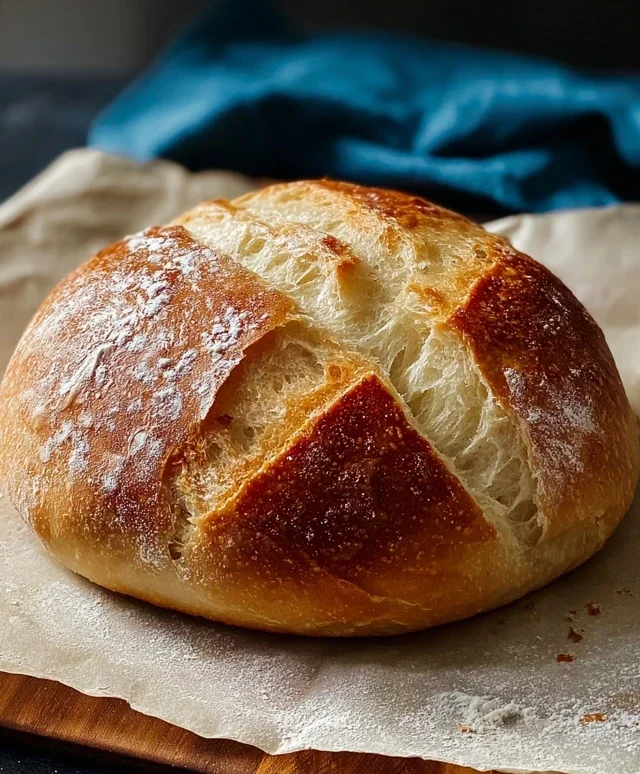
And there you have it – your gateway to incredibly satisfying, easy homemade bread! We’ve seen how simple ingredients and a straightforward process can yield a loaf that’s not only delicious but also incredibly rewarding to bake. The aroma alone, wafting from your oven, is worth the minimal effort. This recipe is fantastic because it demystifies bread making, proving that anyone can achieve a beautifully golden crust and a soft, airy interior without specialized equipment or extensive experience. Think of the possibilities: a warm slice with a smear of butter, a base for your favorite sandwiches, or even the star of a hearty soup meal. Don’t hesitate to experiment with variations – add herbs like rosemary or thyme to the dough, sprinkle some cheese on top before baking, or even incorporate a handful of seeds for added texture and flavor.
I truly encourage you to give this easy homemade bread recipe a try. You’ll be amazed at what you can create in your own kitchen. Happy baking!
Frequently Asked Questions:
Why is my bread dense?
A dense loaf often indicates issues with yeast activity or insufficient kneading. Ensure your yeast is fresh and activated properly in warm (not hot) liquid. Over-handling or under-handling the dough during the kneading stage can also affect its structure. This easy homemade bread recipe is designed to be forgiving, but paying attention to dough consistency is key.
Can I freeze homemade bread?
Absolutely! Once your bread is completely cooled, wrap it tightly in plastic wrap and then in aluminum foil or place it in a freezer-safe bag. It can stay frozen for up to 3 months. Thaw at room temperature or gently warm it in a low oven.
Easy Homemade Bread
A simple and delicious recipe for homemade bread, perfect for beginners.
Ingredients
-
1 ½ cups warm water
-
3 cups bread flour
-
1 packet (2 ¼ teaspoons) Instant Yeast
-
2 ½ tsp kosher salt
-
1 tablespoon olive oil
Instructions
-
Step 1
In a large bowl, combine warm water and yeast. Let it sit for 5 minutes until foamy. -
Step 2
Add flour, salt, and olive oil to the bowl. Mix until a shaggy dough forms. -
Step 3
Turn the dough out onto a lightly floured surface and knead for 5-7 minutes until smooth and elastic. -
Step 4
Place the dough in a greased bowl, cover, and let rise in a warm place for 1 hour, or until doubled in size. -
Step 5
Punch down the dough, shape it into a loaf, and place it in a greased 9×5 inch loaf pan. -
Step 6
Bake in a preheated oven at 375°F (190°C) for 30-35 minutes, or until golden brown and the internal temperature reaches 200°F (93°C).
Important Information
Nutrition Facts (Per Serving)
It is important to consider this information as approximate and not to use it as definitive health advice.
Allergy Information
Please check ingredients for potential allergens and consult a health professional if in doubt.