The Best White Bean Soup – Hearty & Flavorful
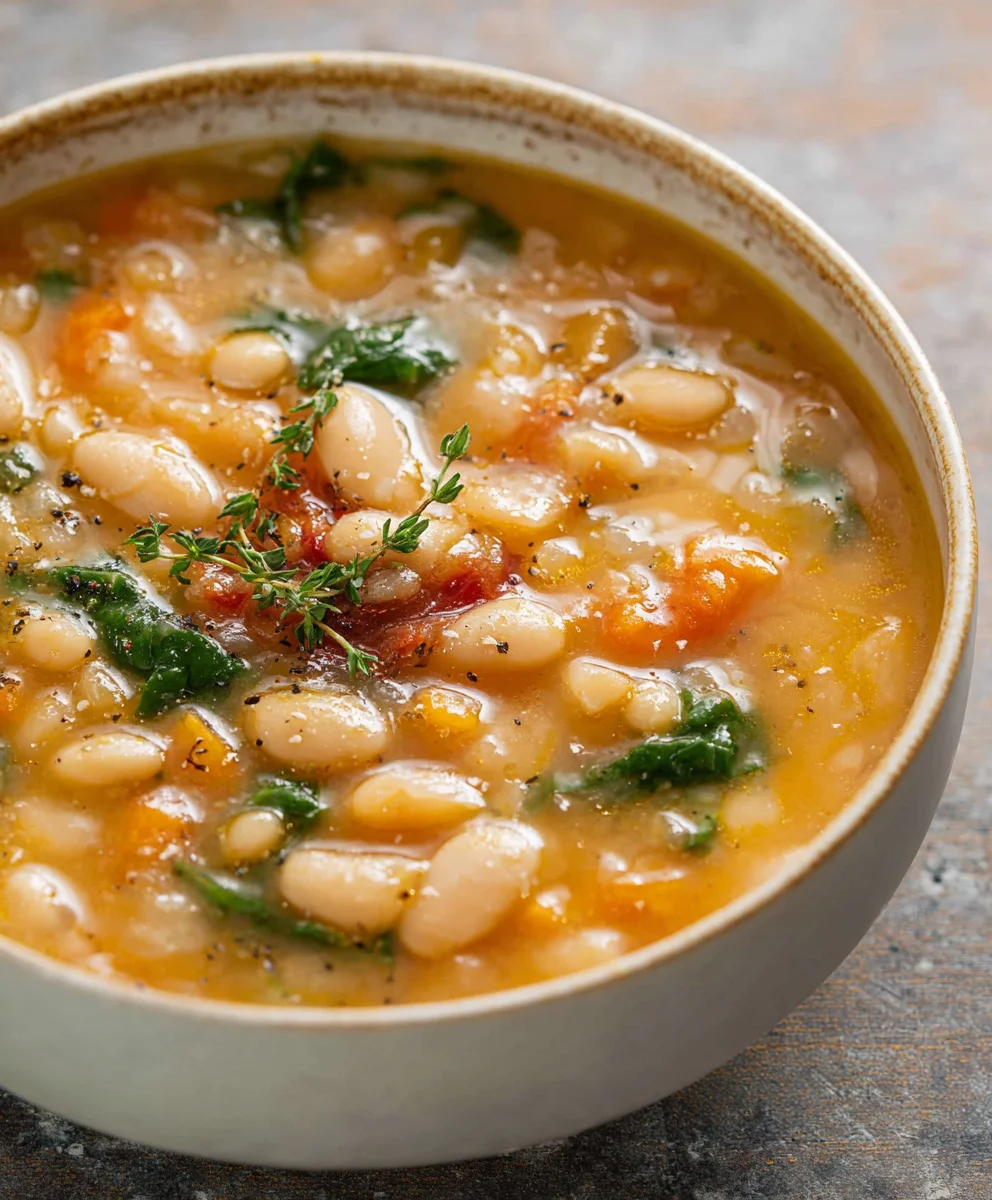
THE BEST WHITE BEAN SOUP is more than just a comforting bowl; it’s a culinary hug, a warm embrace on a chilly evening, and a testament to the power of simple, wholesome ingredients. There’s something inherently magical about the creamy texture and the subtle yet satisfying flavors that make this particular white bean soup a perennial favorite for so many. It’s the kind of dish that evokes memories of home-cooked meals and brings people together around the table. What truly sets THE BEST WHITE BEAN SOUP apart is its incredible versatility – a canvas that can be dressed up with a sprinkle of fresh herbs, a drizzle of olive oil, or even a dollop of pesto. It’s a dish that feels both nourishing and indulgent, proving that you don’t need a complex list of ingredients to achieve extraordinary taste. Get ready to discover why this recipe has earned its esteemed title and become a staple in kitchens everywhere.
Ingredients:
- 2 cans (28oz – 800 grams) cannellini beans or white beans, drained and rinsed
- 1 medium-size yellow onion, finely diced
- 1 celery stalk, finely diced
- 1 large carrot, peeled and finely diced
- 1-2 garlic cloves, minced or pressed
- 1 cup (7 oz – 200 grams) frozen spinach (optional, but adds a lovely touch of green and extra nutrients)
- 2 medium-size potatoes, peeled and cut into roughly 1-inch chunks
- 1 tablespoon olive oil, plus extra for drizzling
- 1 tablespoon tomato paste
- 1/3 cup (80 ml) white grape juice (this adds a subtle sweetness and depth, don’t skip it!)
- 1 sprig fresh rosemary (or 1 tablespoon chopped fresh leaves, or 1/2 teaspoon dried rosemary)
- 2 cups (500 ml) vegetable broth or hot water (vegetable broth will offer more flavor)
- 1/2 teaspoon paprika (optional, for a hint of smoky warmth)
- 1/2 teaspoon fine sea salt, plus more to taste
- 1/8 teaspoon black pepper, plus more to taste
Preparing the Base
Sautéing the Aromatics
Let’s start building the foundation of flavor for THE BEST WHITE BEAN SOUP. In a large pot or Dutch oven, heat the 1 tablespoon of olive oil over medium heat. Once the oil is shimmering, add the diced onion, celery, and carrot. We’re aiming to soften these vegetables and coax out their natural sweetness, which usually takes about 7-10 minutes. Stir them occasionally, making sure they don’t brown too much – just a gentle softening is what we’re after. This slow sautéing process is crucial for developing a rich flavor base that will permeate the entire soup. Once they’re tender and slightly translucent, add your minced garlic. Cook for another minute until fragrant, being careful not to burn the garlic, as burnt garlic can impart a bitter taste to the soup.
Building the Depth
Next, we incorporate the tomato paste. Stir it into the sautéed vegetables and cook for about 1-2 minutes, stirring constantly. This step helps to toast the tomato paste, intensifying its flavor and removing any raw, metallic notes. It really adds a wonderful depth and umami to the soup. Now, pour in the white grape juice. Stir well, scraping up any bits that might have stuck to the bottom of the pot. Let this simmer for a couple of minutes, allowing the non-alcoholic alternative (if any) to evaporate and the sweetness of the juice to meld with the other ingredients. This is a little secret ingredient that really elevates the soup from good to truly exceptional.
Simmering to Perfection
Adding the Hearty Components
It’s time to add the main stars of our soup! Add the drained and rinsed cannellini beans to the pot. Also, toss in the potato chunks. If you’re using frozen spinach, now is the time to add it as well. Give everything a good stir to combine. Next, pour in the vegetable broth or hot water. Make sure the liquid covers the vegetables; if not, you can add a little more broth or water. Add your sprig of rosemary (or chopped rosemary). Finally, season with 1/2 teaspoon of salt, 1/8 teaspoon of black pepper, and the optional paprika if you’re using it. Stir everything together well.
The Gentle Cook
Bring the soup to a gentle boil, then immediately reduce the heat to low, cover the pot, and let it simmer. We want a low, steady simmer to allow the flavors to meld beautifully and the potatoes to become tender. This simmering phase is where the magic happens. Cook for about 20-25 minutes, or until the potatoes are easily pierced with a fork. During this time, the beans will soften further, and the rosemary will infuse its aromatic essence into the broth. Resist the urge to stir too vigorously, especially in the begin extractning, to prevent the beans from breaking down too much, though some slight breaking is desirable for thickening.
Finishing Touches and Serving
Achieving the Perfect Texture
Once the potatoes are tender, you have a couple of options for texture. For a chunkier soup, you can leave it as is. If you prefer a creamier consistency without adding cream, use an immersion blender to blend a portion of the soup directly in the pot until it reaches your desired smoothness. Alternatively, you can carefully ladle about 2 cups of the soup into a regular blender, blend until smooth, and then return it to the pot. Blend only a portion to retain some texture from the beans and vegetables. This technique gives you a wonderfully creamy soup without the heaviness of dairy, making it incredibly satisfying and light. Taste the soup and adjust the seasoning with more salt and pepper as needed. Sometimes, after simmering, the flavors concentrate, and it might need a little more seasoning.
Serving the Masterpiece
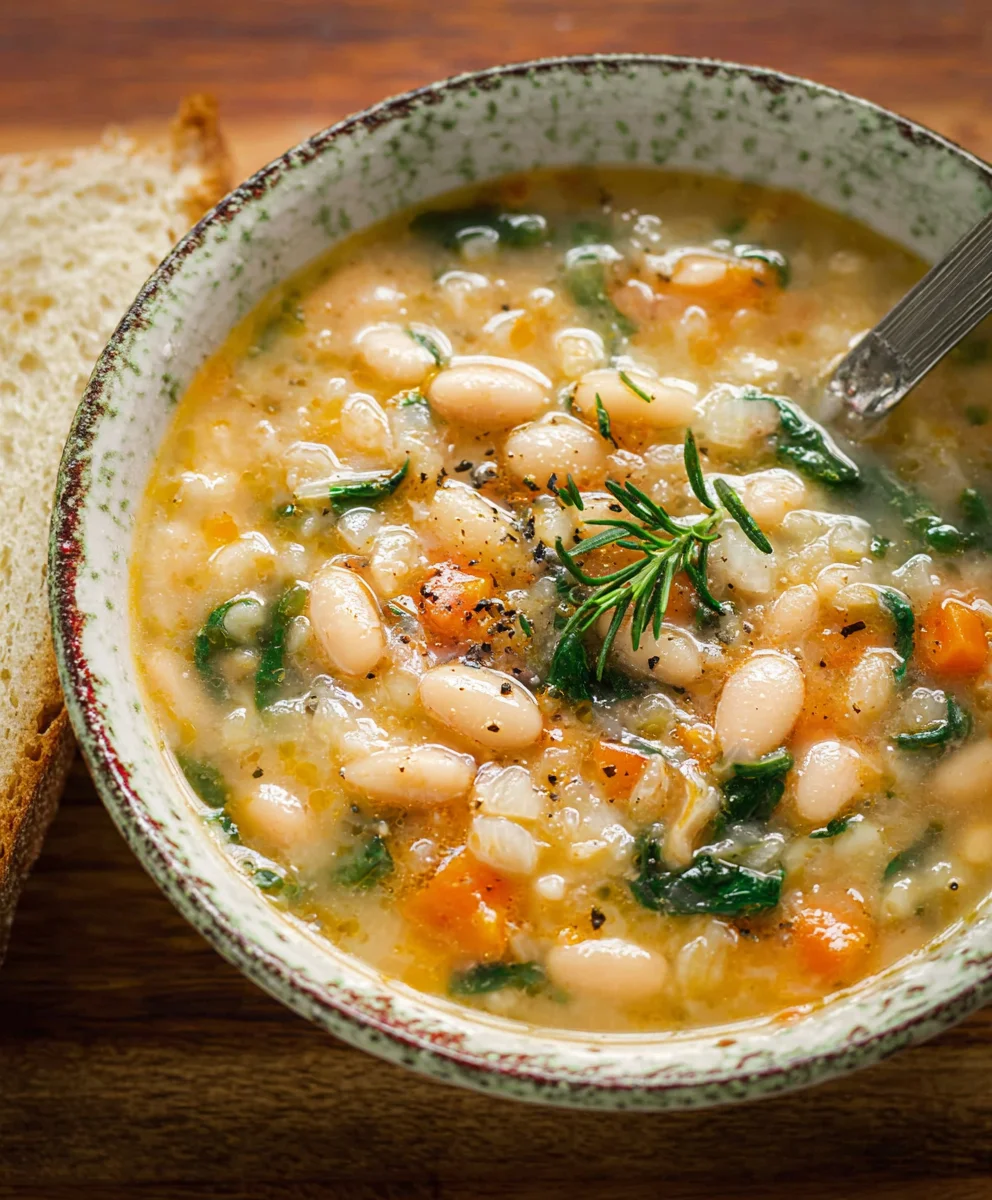
Ladle the hot soup into bowls. For an extra touch of elegance and flavor, drizzle a little extra olive oil over the top of each serving. A few cracks of fresh black pepper or a tiny pinch of red pepper flakes can also be lovely additions. This soup is hearty enough to be a meal on its own, or it can be served as a comforting starter. Enjoy the delicious, comforting flavors of THE BEST WHITE BEAN SOUP you’ve just created!
Conclusion:
I truly hope you enjoyed making and, more importantly, savoring THE BEST WHITE BEAN SOUP. This recipe is a testament to how simple, wholesome ingredients can come together to create something incredibly comforting and delicious. The creamy texture of the beans, infused with aromatic herbs and savory broth, makes it a perfect meal for a chilly evening or a light yet satisfying lunch. Don’t be afraid to make a big batch, as this soup often tastes even better the next day as the flavors meld beautifully.
For serving, I love to garnish THE BEST WHITE BEAN SOUP with a drizzle of good olive oil, a sprinkle of fresh parsley or chives, and a crusty piece of bread for dipping. It also pairs wonderfully with a simple green salad. If you’re feeling adventurous, consider adding a pinch of red pepper flakes for a touch of heat, or swirl in some pesto for an extra layer of flavor.
I encourage you to experiment and make this recipe your own! Whether you’re a seasoned cook or just starting out, THE BEST WHITE BEAN SOUP is an accessible and rewarding dish. Enjoy the process and the delicious outcome!
Frequently Asked Questions about THE BEST WHITE BEAN SOUP:
Can I use dried beans instead of canned?
Absolutely! If using dried beans, you’ll need to soak them overnight and then cook them until tender before proceeding with the recipe. This will likely add an extra hour or two to your cooking time. You’ll typically need about 1 to 1.5 cups of dried beans to yield the same amount as two 15-ounce cans of beans.
What other vegetables can I add to THE BEST WHITE BEAN SOUP?
This soup is very forgiving! You can easily add other vegetables like chopped carrots, celery, spinach, knon-alcoholic ale, or even diced potatoes along with the onions and garlic. Just be sure to cook them until tender.
How long does THE BEST WHITE BEAN SOUP last in the refrigerator?
THE BEST WHITE BEAN SOUP will stay fresh in an airtight container in the refrigerator for up to 4-5 days. It freezes beautifully as well, making it a fantastic option for meal prep. Allow it to cool completely before freezing.
The Best White Bean Soup – Hearty & Flavorful
A hearty and flavorful white bean soup with tender vegetables and a touch of subtle sweetness from white grape juice.
Ingredients
-
2 cans (28oz – 800 grams) cannellini beans or white beans, drained and rinsed
-
1 medium-size yellow onion, finely diced
-
1 celery stalk, finely diced
-
1 large carrot, peeled and finely diced
-
1-2 garlic cloves, minced or pressed
-
1 cup (7 oz – 200 grams) frozen spinach
-
2 medium-size potatoes, peeled and cut into roughly 1-inch chunks
-
1 tablespoon olive oil, plus extra for drizzling
-
1 tablespoon tomato paste
-
1/3 cup (80 ml) white grape juice
-
1 sprig fresh rosemary (or 1 tablespoon chopped fresh leaves, or 1/2 teaspoon dried rosemary)
-
2 cups (500 ml) vegetable broth or hot water
-
1/2 teaspoon paprika
-
1/2 teaspoon fine sea salt, plus more to taste
-
1/8 teaspoon black pepper, plus more to taste
Instructions
-
Step 1
Heat 1 tablespoon of olive oil over medium heat. Add diced onion, celery, and carrot. Sauté for 7-10 minutes until softened and translucent. Add minced garlic and cook for another minute until fragrant. -
Step 2
Stir in tomato paste and cook for 1-2 minutes, stirring constantly. Pour in white grape juice and simmer for a couple of minutes, scraping up any browned bits. -
Step 3
Add drained and rinsed cannellini beans, potato chunks, and frozen spinach (if using). Pour in vegetable broth or hot water, ensuring vegetables are covered. Add rosemary, salt, pepper, and paprika. -
Step 4
Bring soup to a gentle boil, then reduce heat to low, cover, and simmer for 20-25 minutes, or until potatoes are tender. Stir occasionally but gently. -
Step 5
For a creamier texture, use an immersion blender to blend a portion of the soup in the pot until desired smoothness is reached. Alternatively, blend 2 cups of soup in a regular blender and return to the pot. Taste and adjust seasoning. -
Step 6
Ladle soup into bowls, drizzle with extra olive oil, and garnish with fresh black pepper or red pepper flakes if desired.
Important Information
Nutrition Facts (Per Serving)
It is important to consider this information as approximate and not to use it as definitive health advice.
Allergy Information
Please check ingredients for potential allergens and consult a health professional if in doubt.